Bulk Enzyme Procurement Checklist for Corn Starch Plants
For a corn starch plant, enzyme procurement is not just a price comparison. The right supply partner affects slurry behavior, separation efficiency, dextrose conversion, filterability, evaporator loading, batch-to-batch consistency, and the amount of process attention required during continuous operation.
Mazerun supplies bulk enzyme solutions for corn wet milling teams that need dependable performance, clear documentation, and responsive technical support before and after purchase. If you are comparing an enzyme supplier for corn wet milling, use this checklist to qualify both the product and the operating support behind it.
Request a quote for bulk enzyme supply, trial planning, and plant-specific procurement support.
What to confirm before placing a bulk enzyme order
1. Match the enzyme to the exact process objective
Start with the problem the plant needs to solve, not the enzyme name alone.
Common procurement objectives include:
- Faster or more complete starch conversion during liquefaction
- Higher dextrose conversion during saccharification
- Lower slurry viscosity before separation, filtration, or evaporation
- Improved starch-gluten separation behavior
- Reduced fiber-associated drag in process streams
- More stable performance across corn quality variation
- Fewer unplanned dosing adjustments during continuous operation
Mazerun helps align enzyme selection with the actual process window, feed variation, temperature profile, pH environment, residence time, and downstream quality targets.
Checklist for bulk enzyme sourcing
Product fit
Confirm that the proposed enzyme is suitable for the plant stage and operating constraints.
- Intended use in steeping support, separation support, liquefaction, saccharification, viscosity reduction, or yield troubleshooting
- Compatibility with existing process pH and temperature conditions
- Practical dosing window for plant operators
- Expected impact on viscosity, conversion, filtration, or separation behavior
- Compatibility with existing chemicals, antifoam practices, and clean-in-place routines
- Suitability for continuous or semi-continuous operation
Performance evidence
Ask for evidence that can be translated into plant decisions.
Useful technical evidence may include:
- Trial design recommendations for your process stage
- Before-and-after process indicators from comparable applications
- Guidance on sampling points and observation windows
- Expected response curves for dosage adjustment
- Limits of use where added enzyme may no longer improve outcomes
- Support for interpreting slurry viscosity, conversion trends, filter behavior, and centrifuge load changes
Avoid relying on catalog descriptions alone. A bulk enzyme purchase should be supported by application logic that plant engineers can test.
Quality and documentation
Bulk enzyme procurement should be straightforward for quality, purchasing, and production teams.
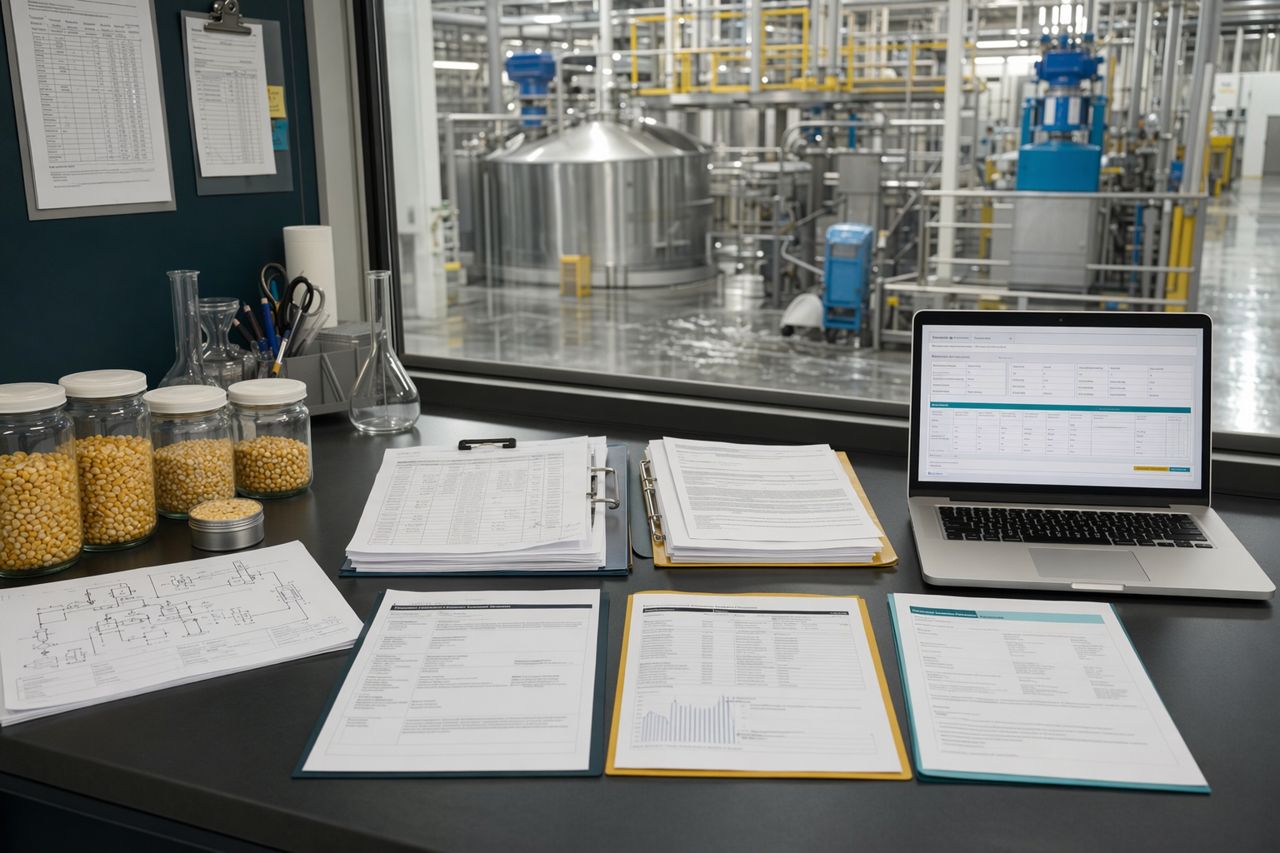
Request documentation such as:
- Product specification sheet
- Safety data sheet
- Certificate of analysis for supplied lots
- Allergen, food-contact, and regulatory statements where applicable
- Storage and handling recommendations
- Shelf-life and lot traceability information
- Packaging and labeling details
Mazerun supports documentation review so procurement can move without creating extra QA friction.
Supply reliability
A corn wet mill cannot treat enzyme supply as a one-time buy. Confirm how the supplier handles continuity.
Key questions:
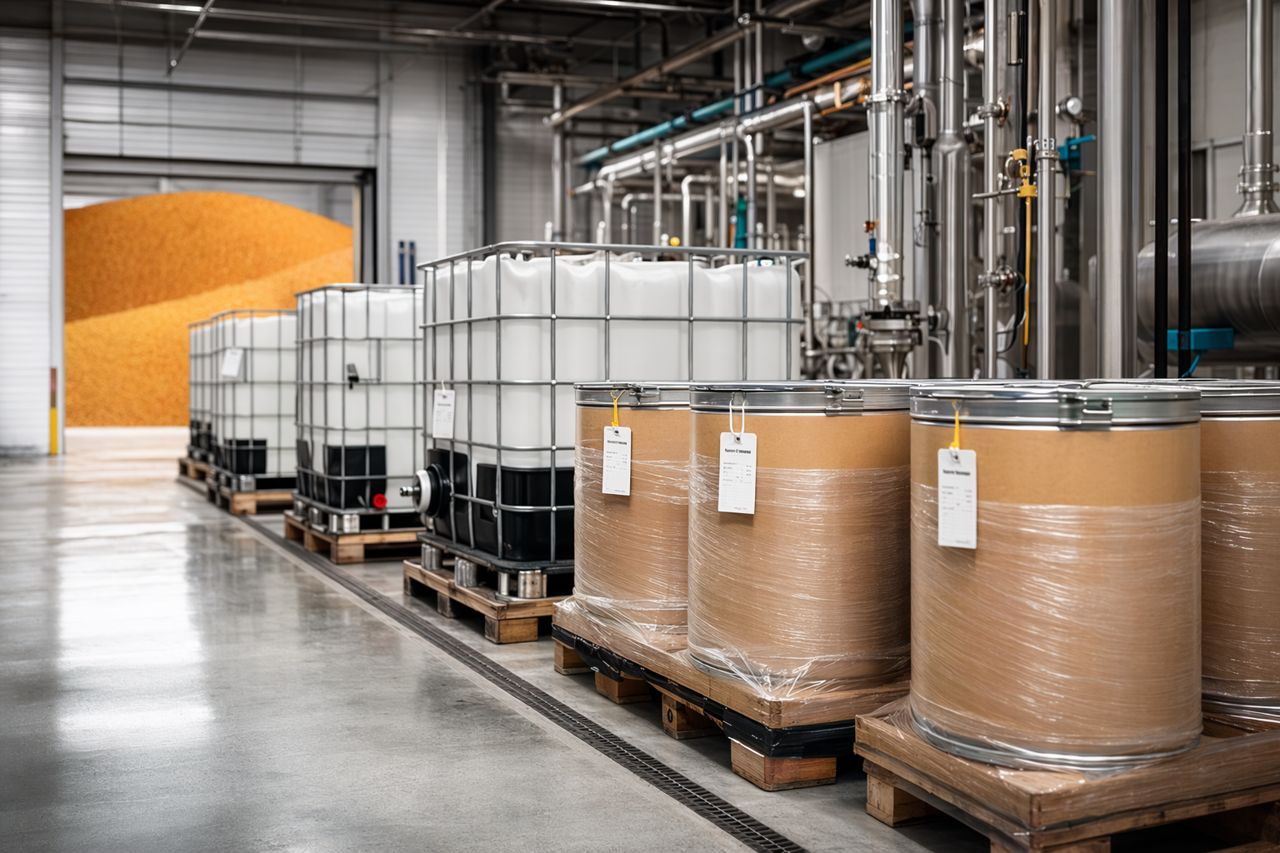
- What bulk pack formats are available for your receiving and storage setup?
- What is the normal lead time for repeat orders?
- How are lot changes communicated?
- Can the supplier support forecast-based ordering?
- What backup plan exists for urgent replenishment?
- Are shipping conditions appropriate for enzyme stability?
A stable supply plan reduces emergency substitutions and keeps operators from compensating for inconsistent enzyme behavior.
Trial support before full rollout
For new enzymes or supplier changes, a plant trial should be planned around measurable operating outcomes.
Mazerun can support trial planning around:
- Baseline process behavior before dosing changes
- Practical dosing steps for comparison
- Sampling locations and timing
- Viscosity and flow observations
- Dextrose conversion or starch conversion trend tracking
- Filtration, centrifuge, or evaporator response
- Operator notes on foam, handling, and process stability
- Decision criteria for scale-up
The goal is to make the trial useful for engineering, production, QA, and procurement at the same time.
Enzyme procurement by process stage
Liquefaction enzymes
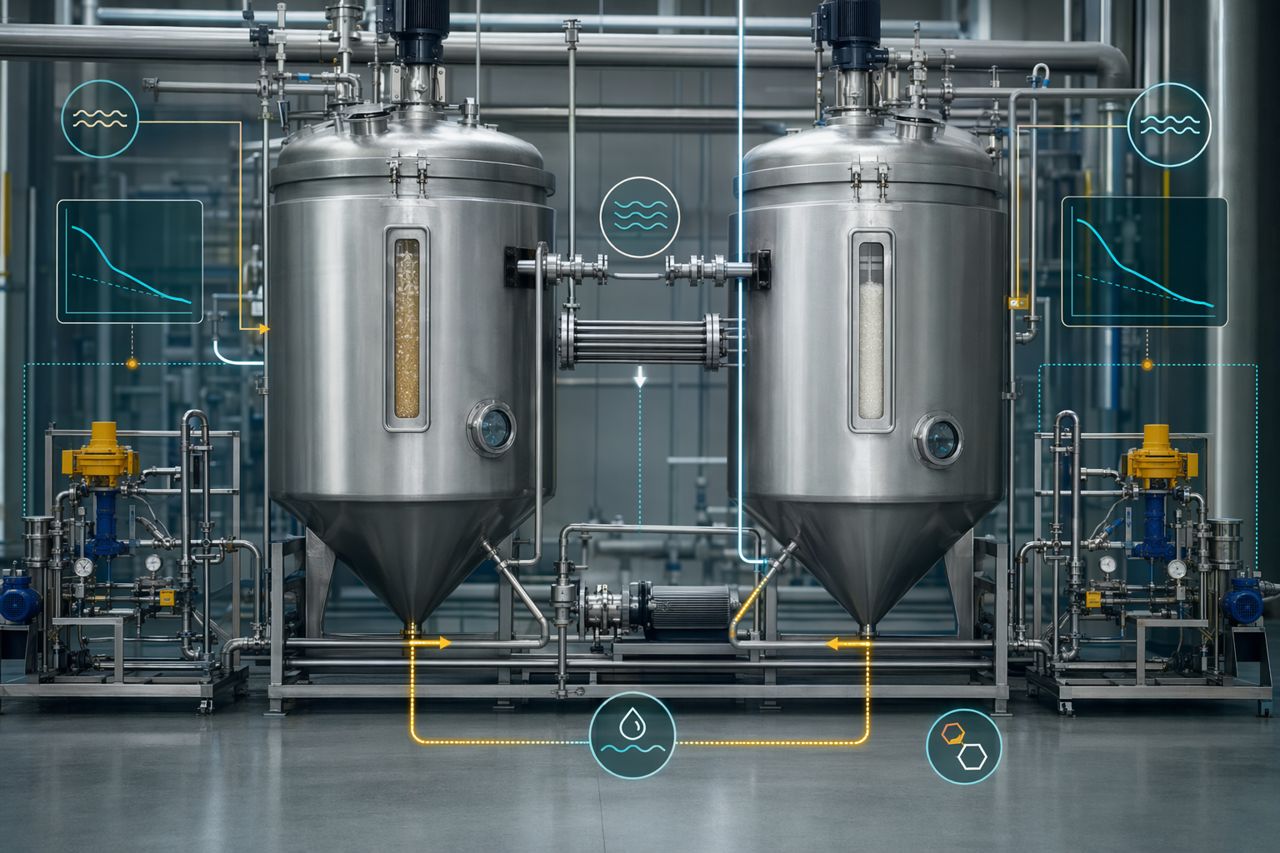
For liquefaction, procurement teams should confirm thermal fit, viscosity response, conversion support, and the effect on downstream saccharification. A good match can make jet cooking and hold-tube conditions easier to manage while reducing the need for corrective adjustments.
Saccharification enzymes
For saccharification, the focus is conversion consistency, dextrose target support, by-product control, and predictable performance across feed variation. Procurement should evaluate both conversion behavior and how easily operators can hold the target profile.
Viscosity reduction enzymes
When slurry viscosity limits pumping, separation, filtration, or evaporation, enzyme selection should be based on where the viscosity is created and where the benefit is needed. The best product choice may differ depending on whether the issue is fiber-associated drag, incomplete starch breakdown, or variable corn input.
Separation support enzymes
For starch-gluten and fiber-related separation challenges, enzyme selection should be tested against centrifuge response, hydrocyclone behavior, overflow clarity, underflow solids behavior, and downstream filtration load.
Commercial questions to ask an enzyme supplier
Before approving a bulk order, confirm:
- Minimum order quantity and repeat-order flexibility
- Available bulk packaging formats
- Lead time and shipping route
- Lot traceability process
- Documentation turnaround time
- Technical contact for startup and troubleshooting
- Support for plant trials and scale-up
- Forecasting options for recurring demand
- Change notification practices
These details matter because enzyme value is realized inside the process, not on a purchase order alone.
Why corn starch plants choose Mazerun
Mazerun works with corn wet milling teams that need practical enzyme supply, not exaggerated claims. Our support is built around plant constraints: operating windows, process variability, documentation requirements, production uptime, and the need to make sourcing decisions with technical confidence.
With Mazerun, procurement and engineering teams can expect:
- Bulk enzyme supply for corn wet milling applications
- Product selection tied to process objectives
- Trial support for plant-specific validation
- QA documentation for lot review and approval
- Practical guidance on dosing windows and handling
- Responsive technical discussion during startup or supplier transition
Request a quote for bulk enzyme supply
If you are sourcing enzymes for a corn starch plant, share your target process stage, current operating challenge, approximate usage expectations, packaging preference, and documentation requirements.
Use the on-site form below to request a quote. Mazerun will review your application and respond with a practical supply recommendation for your plant team.