Corn Fiber Streams: From Process Burden to Coproduct Opportunity
Corn fiber is often treated as the wet mill stream that must simply be moved, washed, pressed, dried, and blended into feed coproducts. But for many corn wet mills, fiber also carries hidden value and hidden cost: retained starch, entrained gluten, high moisture, variable viscosity, dryer load, and day-to-day handling friction.
A practical enzyme program can help shift that conversation. Used correctly, fiber-focused enzyme solutions can support cleaner washing, better drainage, more consistent dewatering, and improved coproduct quality without asking the plant to redesign its core separation train.
For process engineers, the question is not whether fiber contains opportunity. The question is where the opportunity can be accessed safely inside an operating plant.
Why fiber becomes a bottleneck
Corn fiber is a complex, water-holding matrix. It includes pericarp, cell wall material, residual starch, protein, oil, steep solubles, and fine suspended solids. That structure can create several plant constraints:
- Higher slurry viscosity in fiber handling zones
- Reduced washing efficiency and retained solubles
- Inconsistent screen and press performance
- Elevated press cake moisture
- Increased dryer energy demand
- Variability in feed coproduct composition
- Line fouling, slow drainage, and difficult cleanouts
These issues rarely appear as a single alarm. They show up as lower separation confidence, more operator intervention, heavier recycle loads, and less predictable coproduct behavior.
Where enzymes can help in fiber handling
Mazerun supports corn wet mills with enzyme programs designed around real process conditions: pH range, temperature exposure, residence time, solids level, downstream sensitivity, and continuous-operation constraints.
For fiber streams, enzyme selection often focuses on controlled modification of cell wall components and residual polysaccharides. Depending on the mill objective, this may include hemicellulase, xylanase, cellulase, beta-glucanase, pectinase, or supporting carbohydrase blends.
The goal is not uncontrolled breakdown. The goal is targeted process improvement.
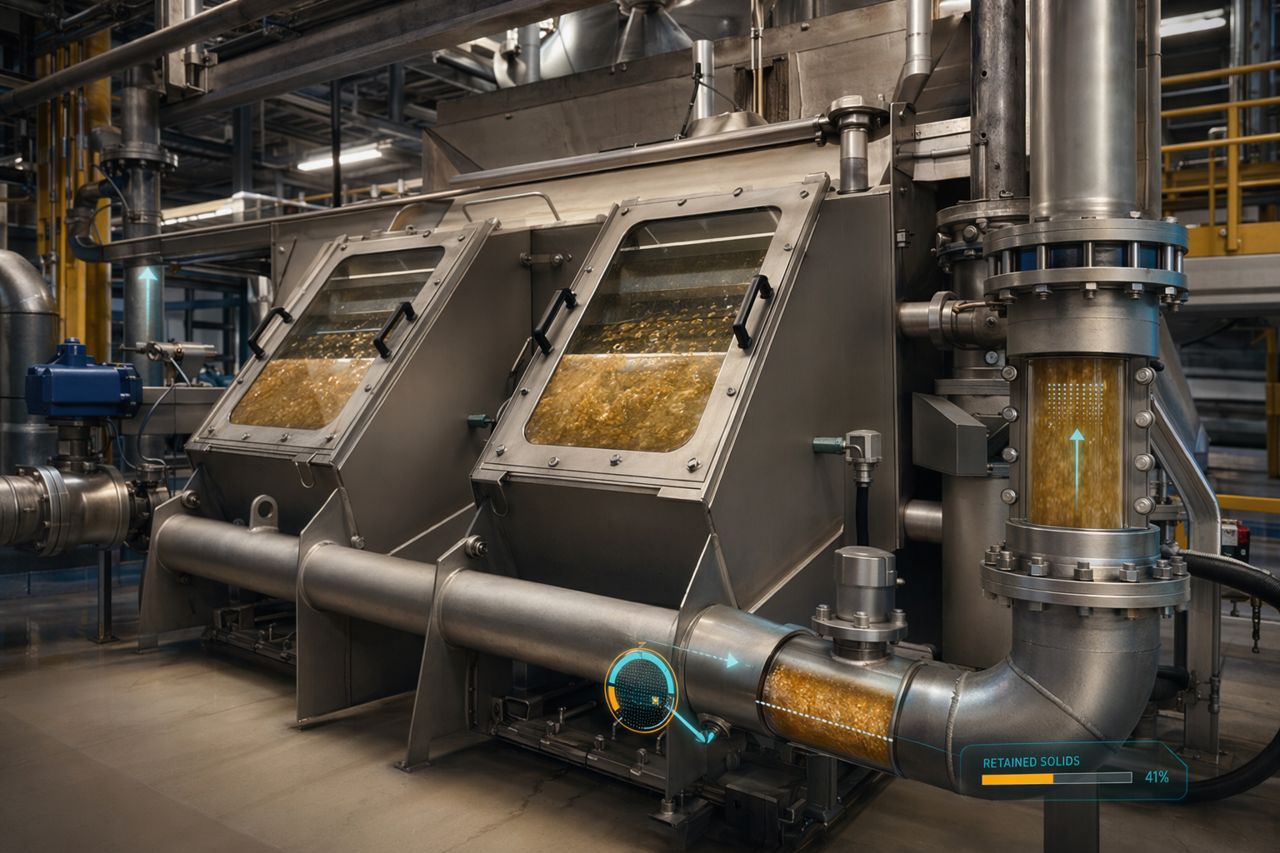
1. Improve washing and release of retained solids
Fiber washing is a recovery point and a coproduct quality point. If fiber holds starch, protein, or solubles too tightly, value can remain trapped in the wrong stream.
A controlled enzyme treatment can help open the fiber matrix and improve release of entrained material. In practice, this can support:
- Lower residual starch in fiber cake
- Better wash water effectiveness
- Cleaner separation between fiber and recoverable solids
- Reduced downstream variability in feed coproducts
The strongest programs are developed around the mill’s actual fiber washer configuration, screen performance, and wash water balance.
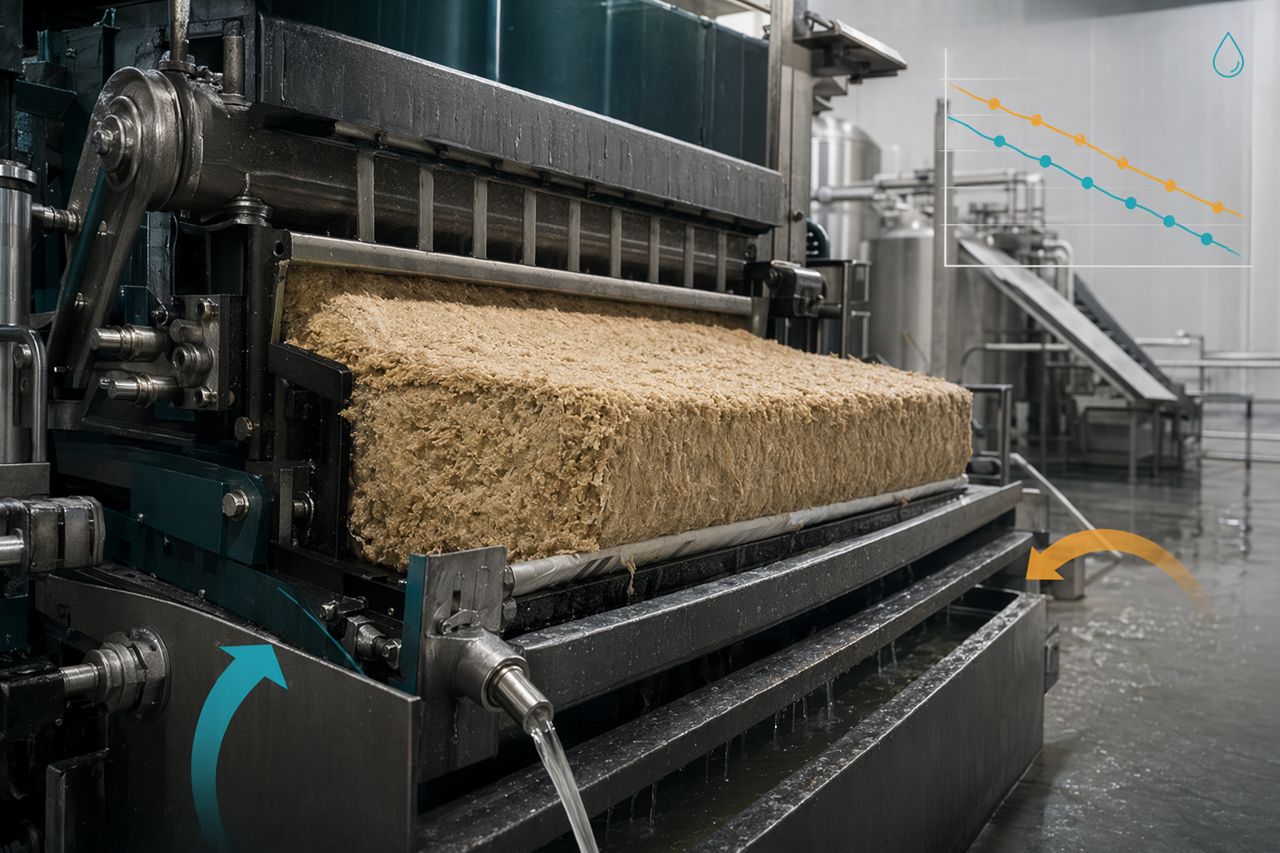
2. Support dewatering and press performance
Moisture in fiber coproducts is one of the most visible cost drivers. A small change in press cake behavior can influence dryer load, throughput flexibility, and final coproduct consistency.
Enzymes can reduce water-binding behavior in selected fiber systems, supporting better drainage and more predictable pressing. This can be especially useful when fiber handling is sensitive to corn quality, steep performance, grind condition, or seasonal raw material variation.
Plant teams often evaluate success through practical indicators:
- Press stability
- Cake moisture trend
- Filtrate clarity
- Dryer loading
- Screen blinding tendency
- Operator intervention frequency
Turning fiber into a more reliable coproduct stream
For feed coproduct buyers, consistency matters. Corn fiber streams can influence nutritional profile, pellet behavior, drying characteristics, and blending control. When fiber carries variable starch, protein, or moisture, the coproduct can become harder to market predictably.
An enzyme program may help improve coproduct control by reducing process variation at the fiber-handling stage. This is not just a yield discussion. It is also about producing a stream that behaves more consistently through pressing, drying, storage, and shipment.
Avoiding disruption to the wet mill
Corn wet mills are continuous systems. A useful enzyme program must fit the plant, not the other way around.
Mazerun evaluates fiber opportunities with attention to:
- Dosing location and available residence time
- Temperature and pH exposure through the target zone
- Compatibility with steepwater, wash water, and recycles
- Impact on screens, hydrocyclones, centrifuges, presses, and dryers
- QA documentation and plant approval requirements
- Trial design that protects uptime and product quality
A good trial is measurable, narrow enough to control, and broad enough to show operational value.
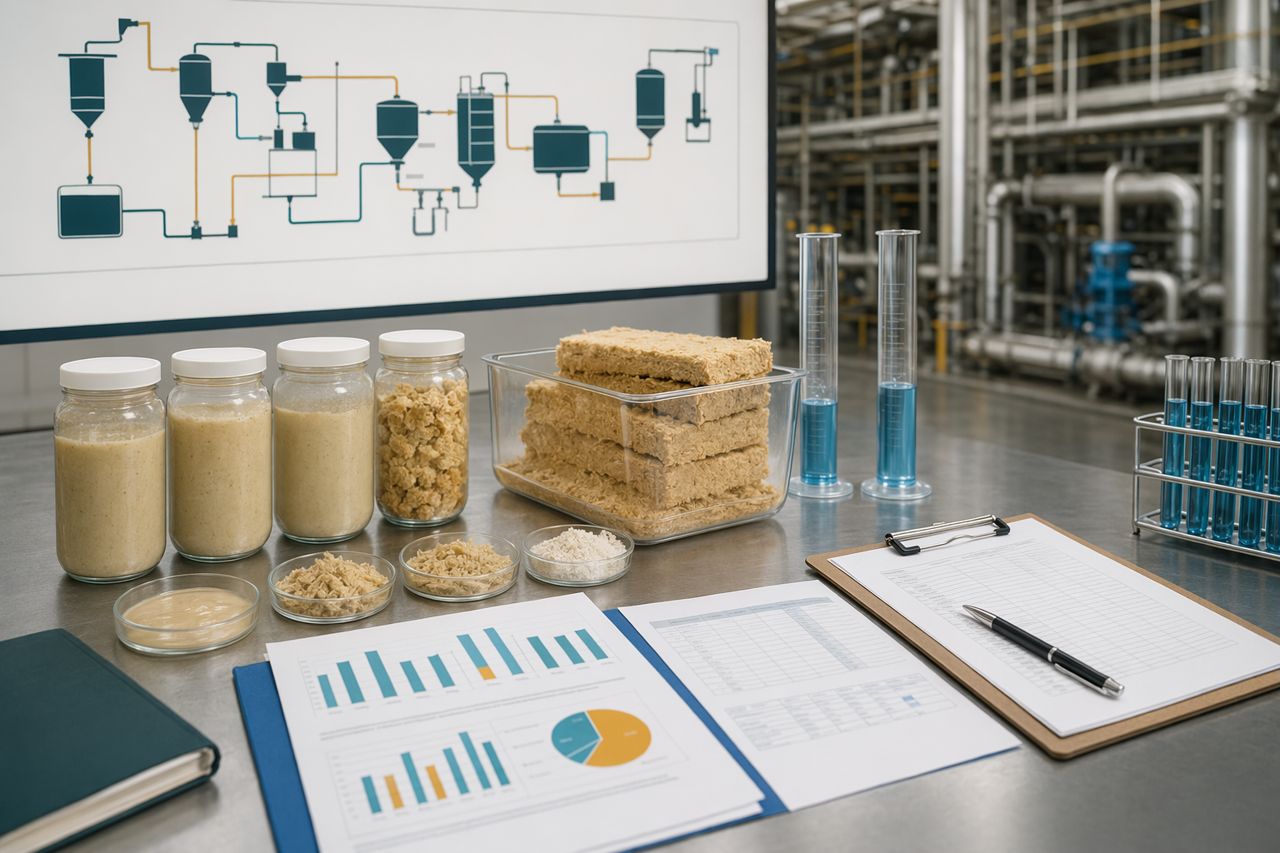
What to measure during a fiber enzyme trial
Before recommending a production program, Mazerun helps mills define a trial window and success criteria. Typical measurement areas include:
Process performance
- Fiber slurry viscosity trend
- Screen throughput and blinding behavior
- Press stability and cake moisture
- Wash efficiency and retained solids
- Filtrate quality
- Dryer load and operating margin
Product and coproduct quality
- Fiber coproduct consistency
- Residual starch trend
- Protein and solids distribution
- Moisture variability
- Handling behavior through storage and conveying
Operating fit
- Dosing reliability
- Operator workload
- Clean-in-place implications
- Compatibility with existing process chemistry
- QA documentation readiness
The best outcome is not a laboratory effect. It is a repeatable plant effect that survives shift changes, corn variability, and normal production pressure.
Choosing an enzyme supplier for corn wet milling
Working with an enzyme supplier for corn wet milling should feel different from buying a generic processing aid. Corn wet milling has tight separation logic, multiple coproduct value streams, and limited tolerance for process surprises.
Mazerun focuses on enzyme programs that are technically matched to the mill’s operating envelope. That includes practical formulation guidance, documentation support, and trial planning for steep optimization, starch separation, viscosity control, liquefaction, saccharification, and fiber stream improvement.
For corn fiber projects, our role is to help identify where enzyme treatment can improve handling or coproduct value without creating instability elsewhere in the process.
A practical path forward
If fiber is limiting washing, dewatering, dryer capacity, or coproduct consistency, it may be time to assess the stream as an opportunity rather than a burden.
Mazerun can review your process conditions, target constraints, and measurement plan, then recommend a focused enzyme approach for plant evaluation.
Request a quote
To discuss a corn fiber enzyme program for your wet mill, use the on-site request a quote form. Share your target stream, current bottleneck, operating conditions, and trial goals, and the Mazerun technical team will respond with a practical recommendation.