Enzyme Supplier for Corn Wet Milling Plants
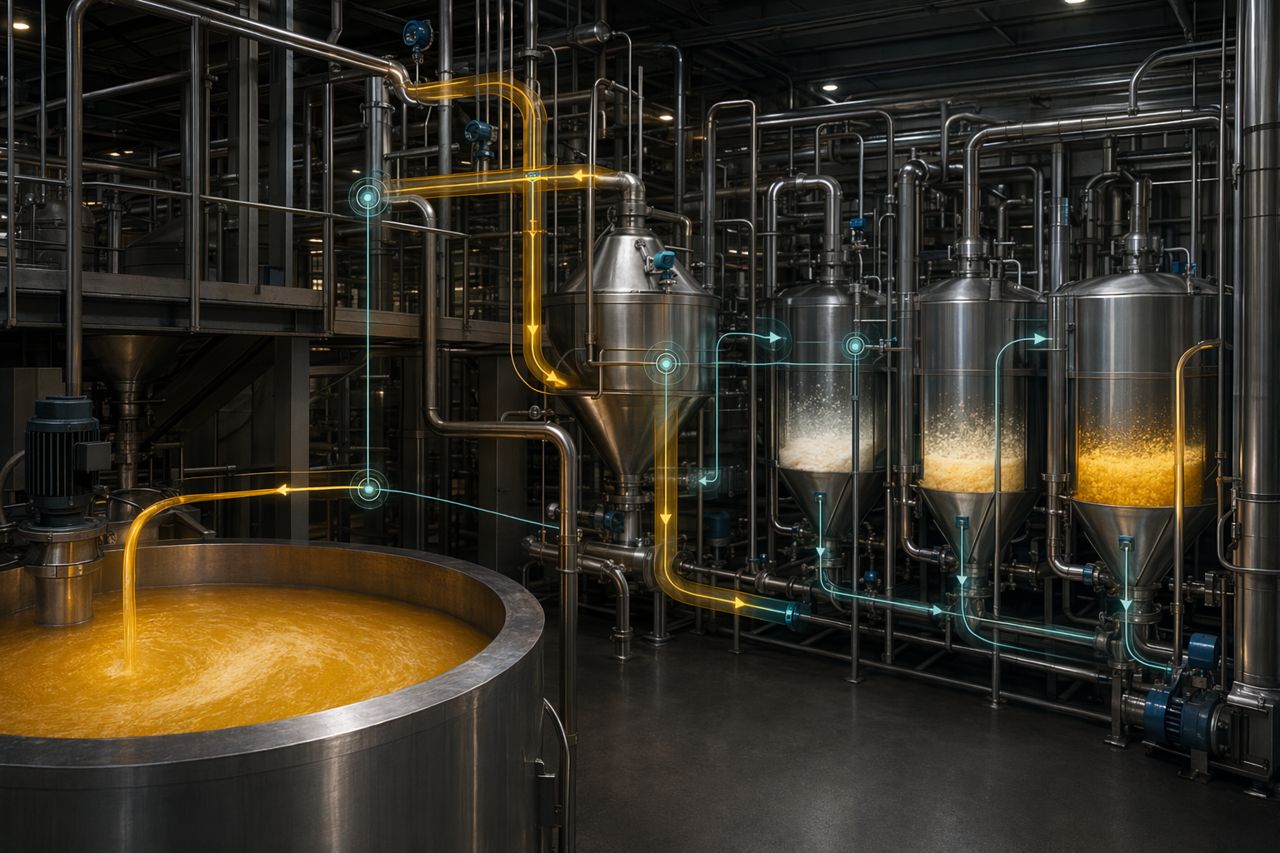
Mazerun supplies enzyme solutions for corn wet milling teams that need practical process support, stable bulk sourcing, and documentation that fits plant QA review. We work with process engineers, production managers, and procurement teams evaluating enzyme options for steeping, separation, viscosity reduction, liquefaction, saccharification, filtration, and yield troubleshooting.
Corn wet mills run continuously. A useful enzyme program has to respect that reality: defined dosing windows, predictable handling, compatibility with existing tanks and transfer lines, and a trial plan that can be measured against the plant’s own KPIs.
Enzyme supply aligned to wet mill process goals
As an enzyme supplier for corn wet milling, Mazerun focuses on the operating points where enzyme selection can create measurable plant value:
- Improved starch release and cleaner starch/protein/fiber separation
- Lower slurry viscosity for steadier pumping, mixing, and heat transfer
- Better filtration and dewatering behavior in fiber and process streams
- More stable liquefaction before downstream conversion
- Stronger dextrose conversion performance during saccharification
- Reduced yield losses linked to residual starch, process variability, or bottlenecked flow
- Practical support for trials, scale-up, and ongoing supply planning
We do not start with a generic catalog recommendation. We start with the process constraint: where the mill is losing yield, time, separation efficiency, or operating stability.
Where Mazerun enzyme solutions fit
Steep and grind support
Wet mill performance begins before separation. Enzyme use around steep and grind conditions may help support kernel component release, reduce downstream load, and improve consistency across incoming corn variability. Mazerun helps evaluate whether an enzyme-assisted approach is appropriate for your steep profile, grind behavior, and separation targets.
Starch separation and residual starch reduction
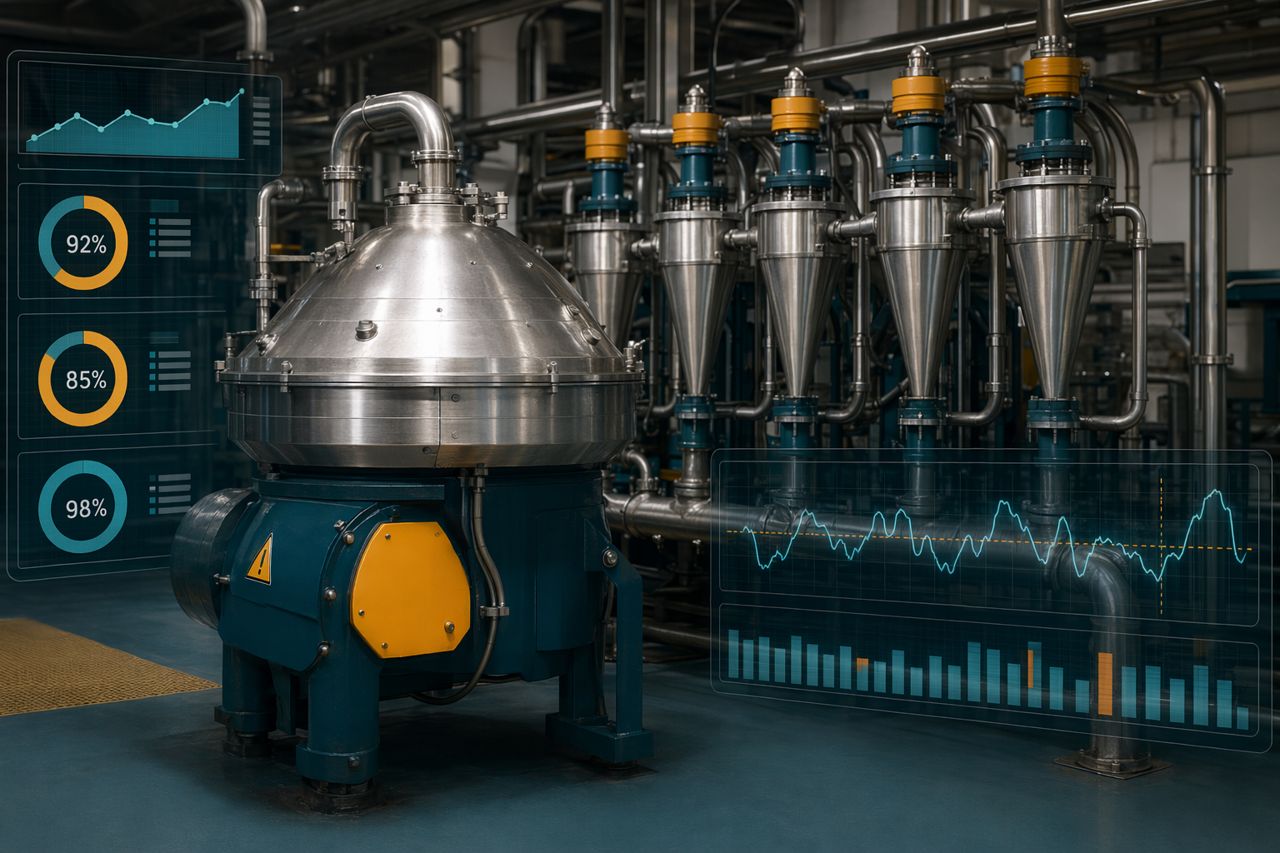
Residual starch in fiber and protein streams can represent direct value loss. Mazerun supports enzyme programs aimed at improving starch liberation, stream clarity, and separation efficiency without disrupting the established mill balance.
Viscosity and flow management
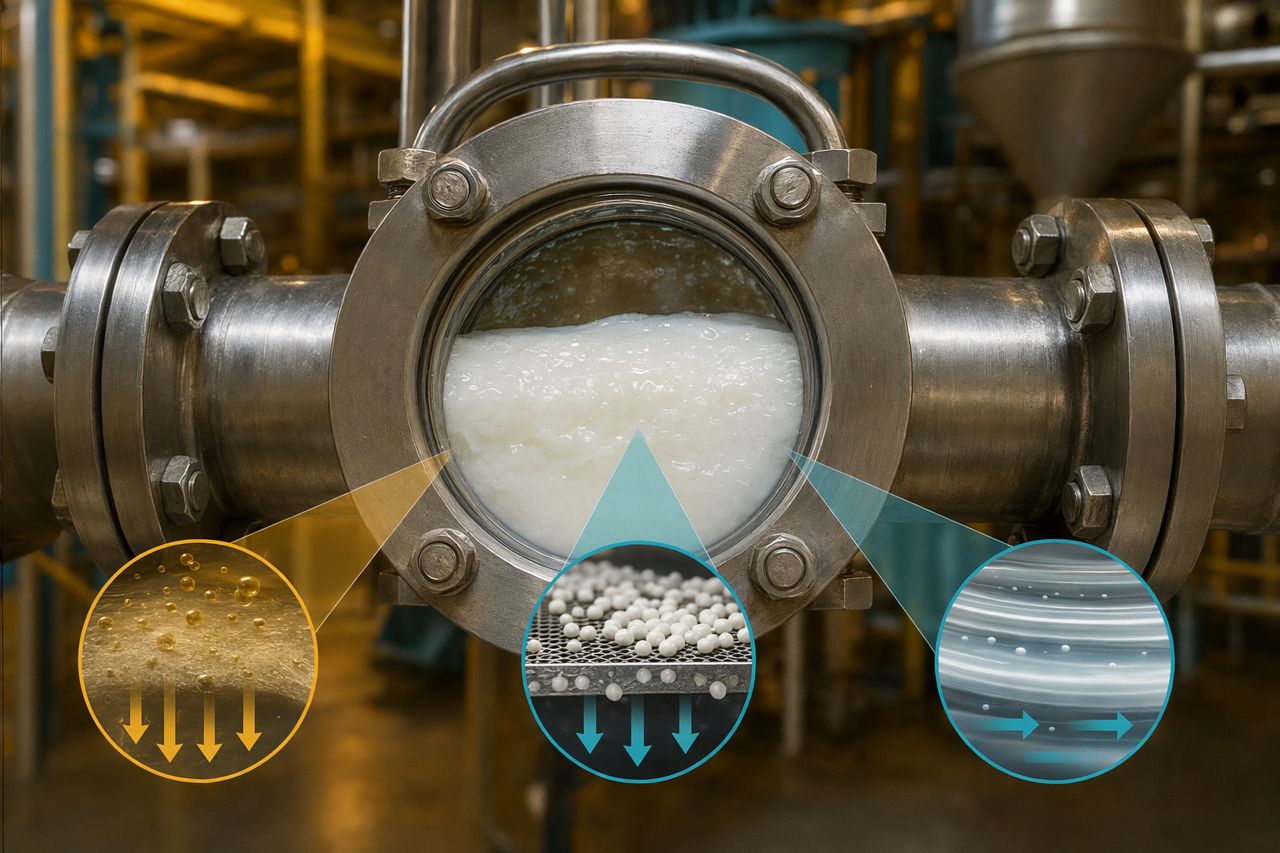
High viscosity can affect pump load, mixing, heat transfer, filtration, and residence-time control. Mazerun enzyme solutions can be evaluated for viscosity reduction in targeted process streams where improved flow behavior creates a practical production benefit.
Liquefaction stability
Liquefaction performance depends on controlled viscosity, temperature exposure, residence time, and consistent enzyme response. Mazerun supports enzyme selection and trial design for liquefaction systems where plants need stable conversion behavior and dependable operation under continuous conditions.
Saccharification and dextrose conversion
For mills producing glucose syrups or dextrose-rich streams, saccharification consistency matters. Mazerun helps teams assess enzyme options for conversion performance, process robustness, and fit with downstream evaporation, refining, or finishing requirements.
Built for process engineers, not just purchasing teams
A lower drum price does not always reduce cost in a corn wet mill. The better question is whether the enzyme program improves the economics of the operating window.
Mazerun supports evaluation around:
- Current bottleneck location and process variability
- Feedstock and grind profile differences
- Slurry behavior, filtration response, and separation results
- Trial boundaries, sampling points, and success criteria
- Compatibility with existing tanks, lines, and cleaning practices
- Storage, handling, and inventory planning for continuous operation
- QA documentation needed for internal approval
Trial support with controlled decision points
Mazerun can help structure a plant trial that is practical for continuous-operation facilities. The goal is to avoid vague enzyme testing and instead define what the plant needs to prove before adopting a new supply program.
A typical evaluation may include:
- Review of the target process issue and current operating window
- Selection of candidate enzyme approach based on plant constraints
- Trial plan with dosing window, introduction point, and monitoring checkpoints
- Review of performance against plant KPIs such as yield, viscosity, filtration behavior, conversion, downtime risk, or separation efficiency
- Supply recommendation and documentation package for internal review
Documentation and supply reliability
Corn wet milling plants need more than a technical recommendation. They need product consistency, logistics clarity, and documentation that supports QA and procurement workflows.
Mazerun can provide product information, handling guidance, batch documentation, and commercial supply coordination for qualified enzyme programs. Our role is to help your team move from process problem to controlled implementation with fewer unknowns.
Request a quote for corn wet milling enzyme supply
If you are comparing an enzyme supplier for corn wet milling, share the process stage, target improvement, current constraint, and intended trial scope. Mazerun will review the application and respond with suitable enzyme options, support notes, and quote details for your plant.