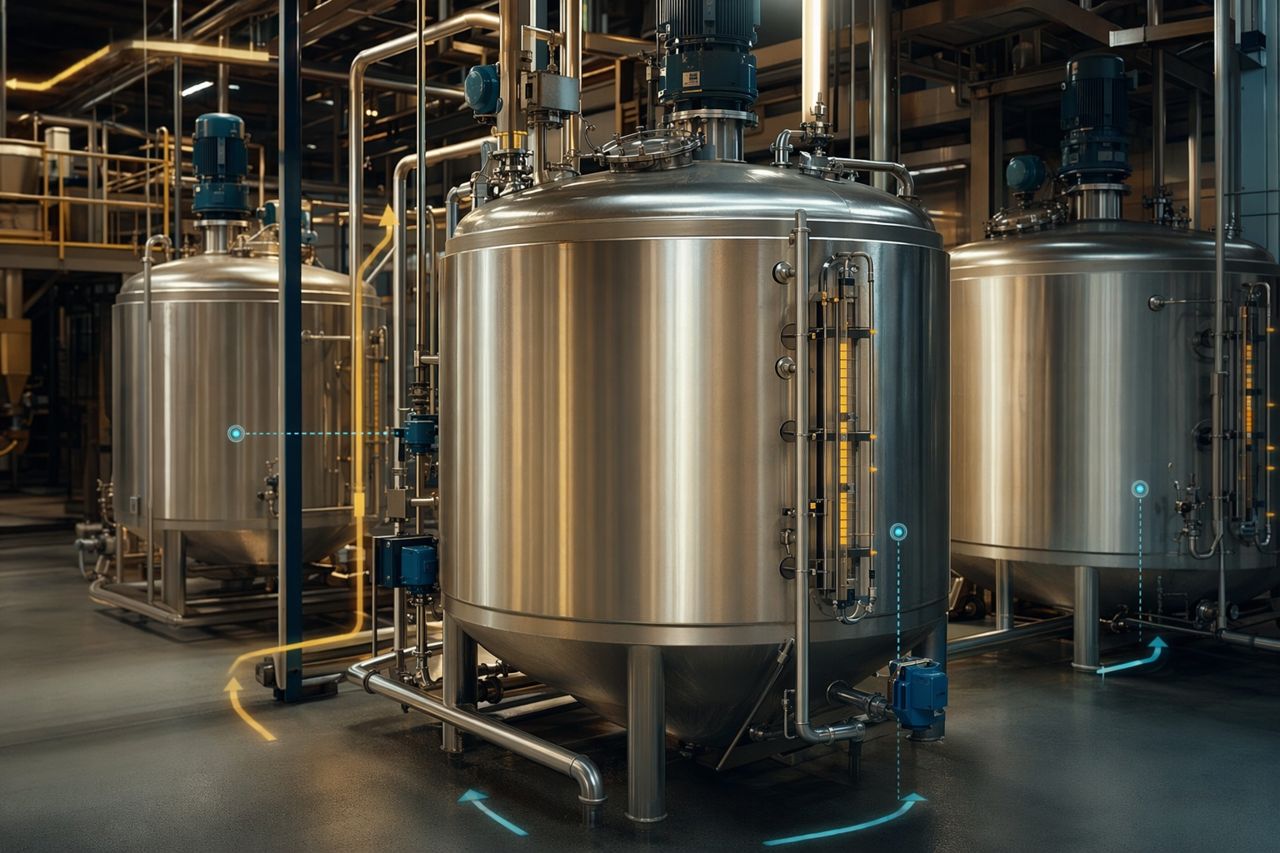
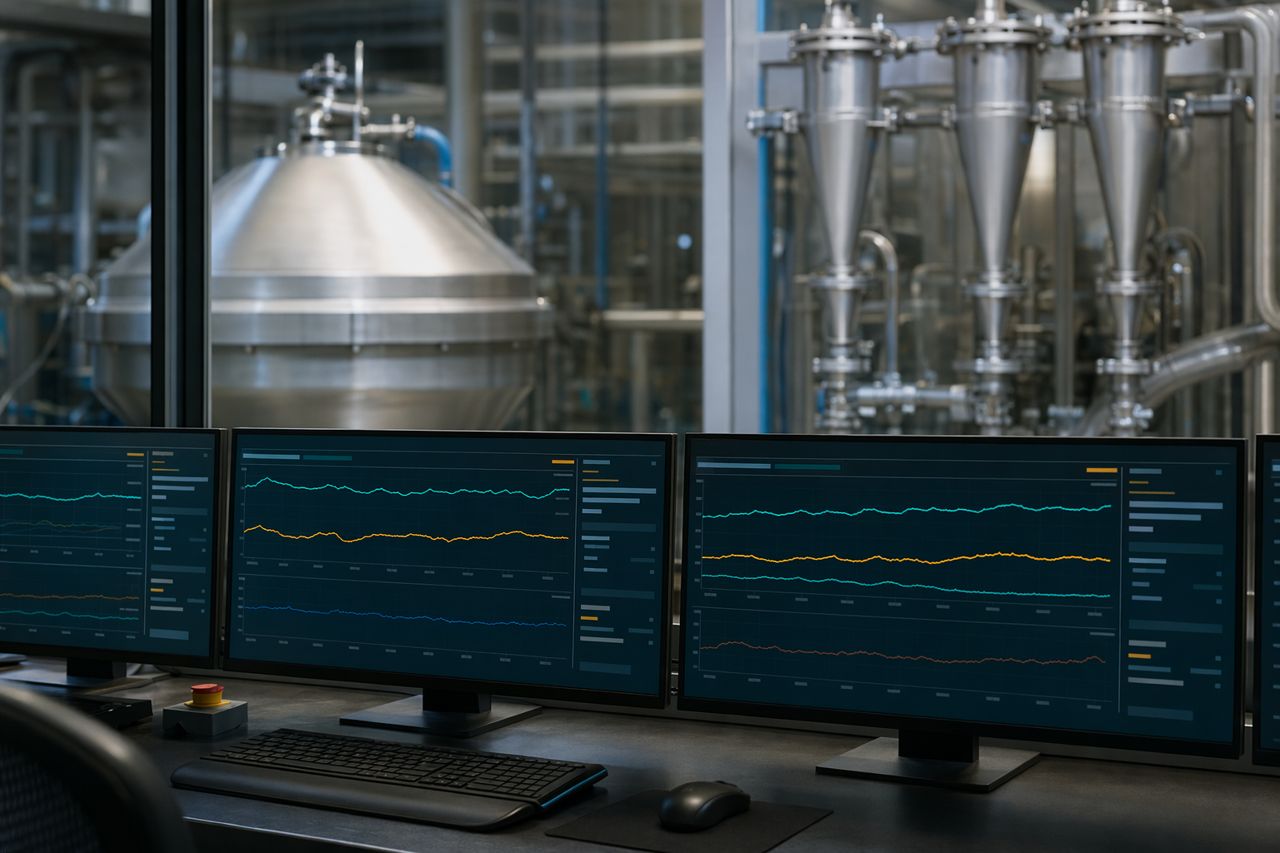
Enzyme for Corn Steeping Process
Mazerun supplies targeted enzyme solutions for corn wet mills evaluating improvements around steep water performance, kernel softening, soluble release, and downstream milling readiness.
As an enzyme supplier for corn wet milling, we focus on the practical questions plant teams face: Will the enzyme fit the steeping window? Can it support more consistent grind preparation? Does it help manage viscosity and separation load without disrupting continuous operation? Can the trial be documented clearly enough for process, QA, and procurement review?
Our work starts with your process constraints, not a generic enzyme recommendation.
Where steeping enzyme support fits
Corn steeping sets the conditions for much of the wet mill. When kernels hydrate unevenly or soluble release is inconsistent, the effect can carry into milling, germ recovery, fiber separation, starch washing, and glucose conversion.
Mazerun steeping enzyme solutions are designed to support:
- More uniform kernel softening before grind
- Improved release of soluble components into steep water
- Better preparation for germ, fiber, protein, and starch separation
- Reduced variability entering milling and primary separation
- Process adjustments within realistic steeping temperature, pH, and residence-time windows
- Cleaner trial evaluation across shifts and operating conditions
Built for plant-level decisions
A corn wet mill does not buy an enzyme because it looks promising on paper. It buys when the process case is clear.
Mazerun supports engineering and operations teams with trial planning, application guidance, and documentation aligned to B2B procurement and QA needs. We help define where the enzyme should be introduced, what process observations should be tracked, and how to evaluate whether the result is meaningful for your facility.
Typical review points include:
- Steep water viscosity and flow behavior
- Kernel hydration and softening consistency
- Grind preparation and mill load observations
- Soluble release profile and steep liquor handling
- Impact on separation efficiency downstream
- Filtration or centrifuge behavior where relevant
- Process stability across production runs
- Compatibility with existing chemical, thermal, and microbiological control practices
Practical benefits for corn wet milling teams
Better preparation before milling
A controlled steeping enzyme program can help condition kernels more consistently before mechanical disruption. This supports a steadier grind and can reduce the variability that makes downstream separation harder to manage.
Improved soluble release
The steeping stage is not only hydration; it is also a transfer step. Enzyme selection can support release of soluble fractions into steep water, helping plants evaluate steep liquor quality, handling behavior, and downstream load.
Viscosity and flow support
Where steep water or intermediate streams become difficult to move or filter, enzyme use may support better flow characteristics. Mazerun evaluates this in relation to your actual steeping conditions and equipment limitations.
Downstream separation readiness
The best steeping improvement is visible beyond the steep tank. We look at whether the enzyme helps create a more consistent feed into germ separation, fiber washing, protein separation, and starch recovery steps.
Enzyme selection without overcomplicating the line
Mazerun can support enzyme programs involving carbohydrase-focused activity profiles selected for corn wet milling process goals. Selection depends on your corn quality, steeping practice, sulfur program, temperature profile, pH range, microbiological controls, and the specific limitation you are trying to solve.
We do not recommend changing the process blindly. The objective is to fit the enzyme into a workable dosing window, confirm compatibility with current operation, and measure outcomes that matter to the plant.
Trial support for continuous-operation plants
Corn wet mills cannot pause the line for theoretical testing. Mazerun trial support is structured for production realities.
A typical collaboration may include:
- Process review — current steeping conditions, bottlenecks, target outcomes, and downstream constraints.
- Application proposal — recommended addition point, handling approach, dosing window, and monitoring plan.
- Plant trial alignment — shift communication, sampling plan, baseline comparison, and safety documentation.
- Performance review — discussion of process observations, separation effects, viscosity behavior, and yield-related indicators.
- Scale-up guidance — practical adjustment support if the plant moves from evaluation to routine use.
QA and documentation support
For industrial corn wet milling, documentation matters. Mazerun can provide commercial and technical documentation for buyer review, including product specifications, safety documentation, handling guidance, and lot-related quality support as applicable.
Our goal is to make enzyme evaluation easier for process engineering, production, QA, and procurement teams working from the same decision file.
Faceless explainer video: enzyme support in the steeping stage
This page includes a short, faceless explainer showing how enzyme use around steeping can influence kernel conditioning, soluble release, viscosity behavior, and downstream separation readiness. The video is designed for engineering review: clear process visuals, no presenter, no hype.
What to share when requesting a quote
To help us respond with a useful recommendation, include as much of the following as practical:
- Corn type and main quality variability concerns
- Current steeping temperature, pH range, and residence-time window
- Addition points available for liquid handling
- Main process objective: softening, soluble release, viscosity, separation, or yield troubleshooting
- Downstream bottleneck observed after steeping
- Existing chemical or microbiological control constraints
- Desired trial timing and documentation requirements
Request a quote
If your plant is evaluating an enzyme for the corn steeping process, Mazerun can help assess fit, propose a trial approach, and support internal review.
Use the on-site request form to share your process objective and operating context. A Mazerun specialist will respond with a practical recommendation for your corn wet mill.